Evidence of practice
Projects that show
how I think in practice.
Together, these projects show how I move from a real educational need to research, planning, resource design, reflection, and a more informed next decision.
Case Study 01 · 2023–2024
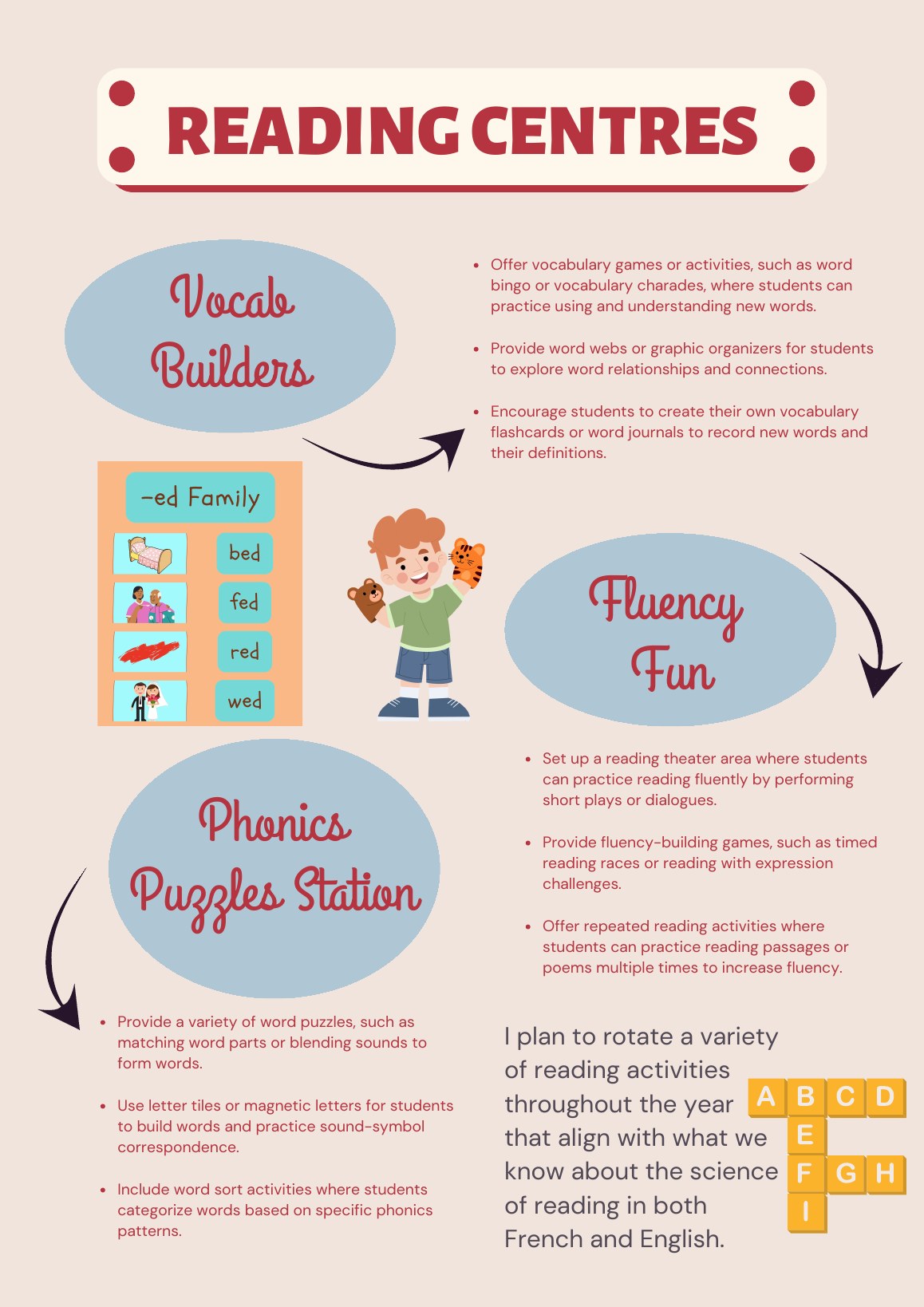
Designing a Literacy-Rich After-School Program
Working in a new school-age care program meant creating enough structure to support learners from Kindergarten to Grade 7 while staying responsive to the children who actually arrived each day.
Read case study →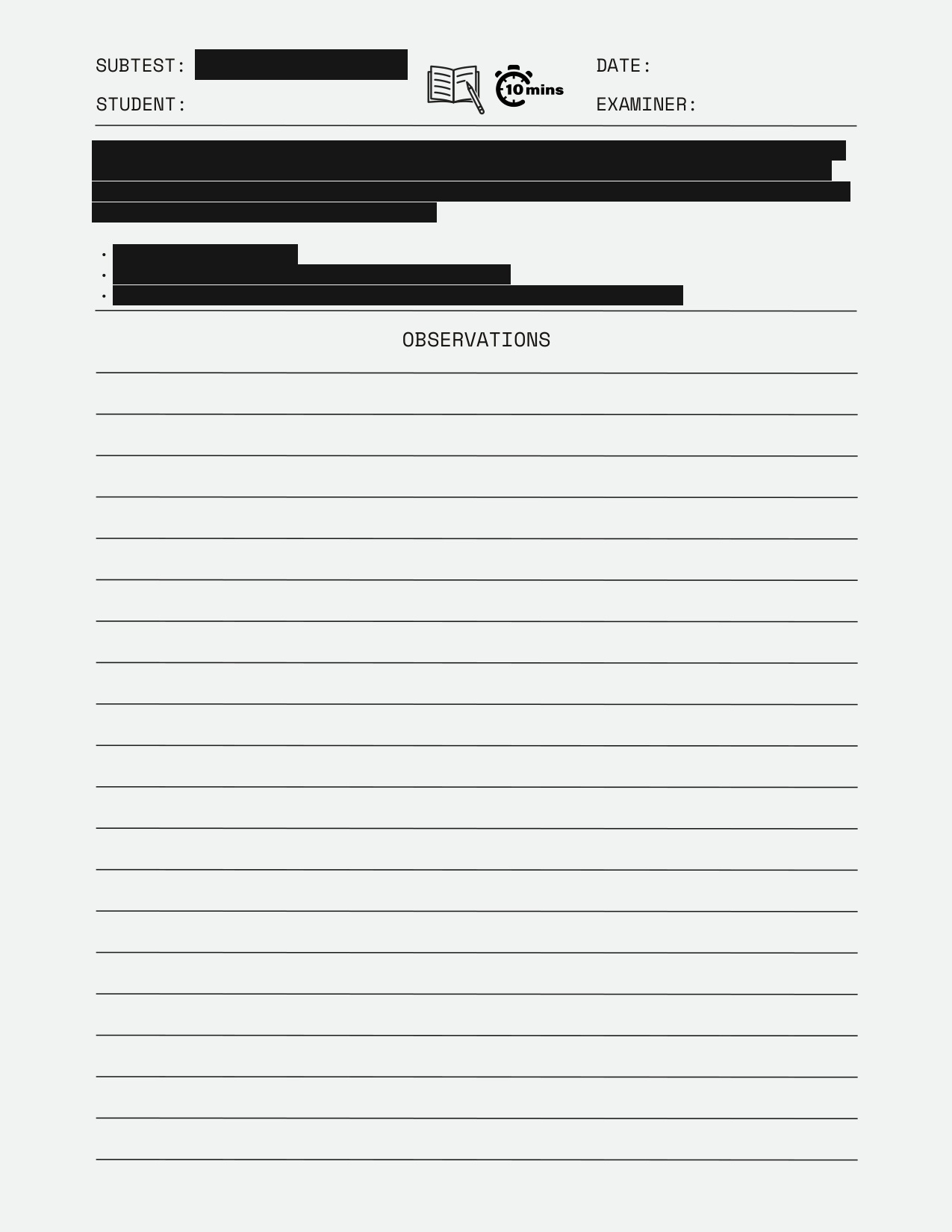
Case Study 02 · Spring 2024
Building a Reliable Assessment Workflow
A practical examiner pack reduced avoidable cognitive load during KTEA-3 administration practice, leaving more room for accurate observation and attention to the learner.
Read case study →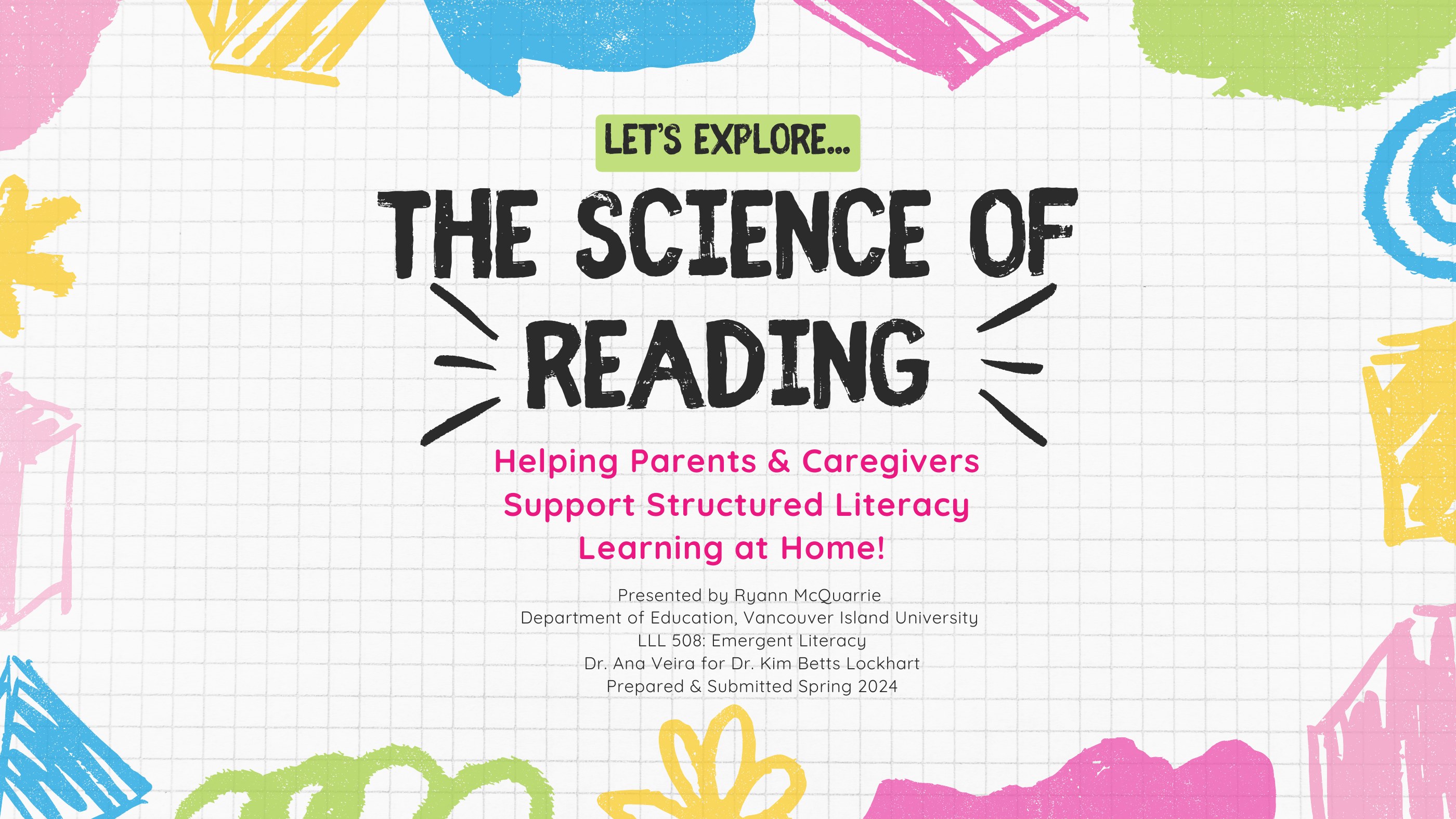
Case Study 03 · Spring 2024
Making Early Literacy Research Accessible to Families
Families are essential partners in literacy development, but professional language can create distance instead of confidence. This project translates reading research into clear explanations and practical ways families can support learning at home.
Read case study →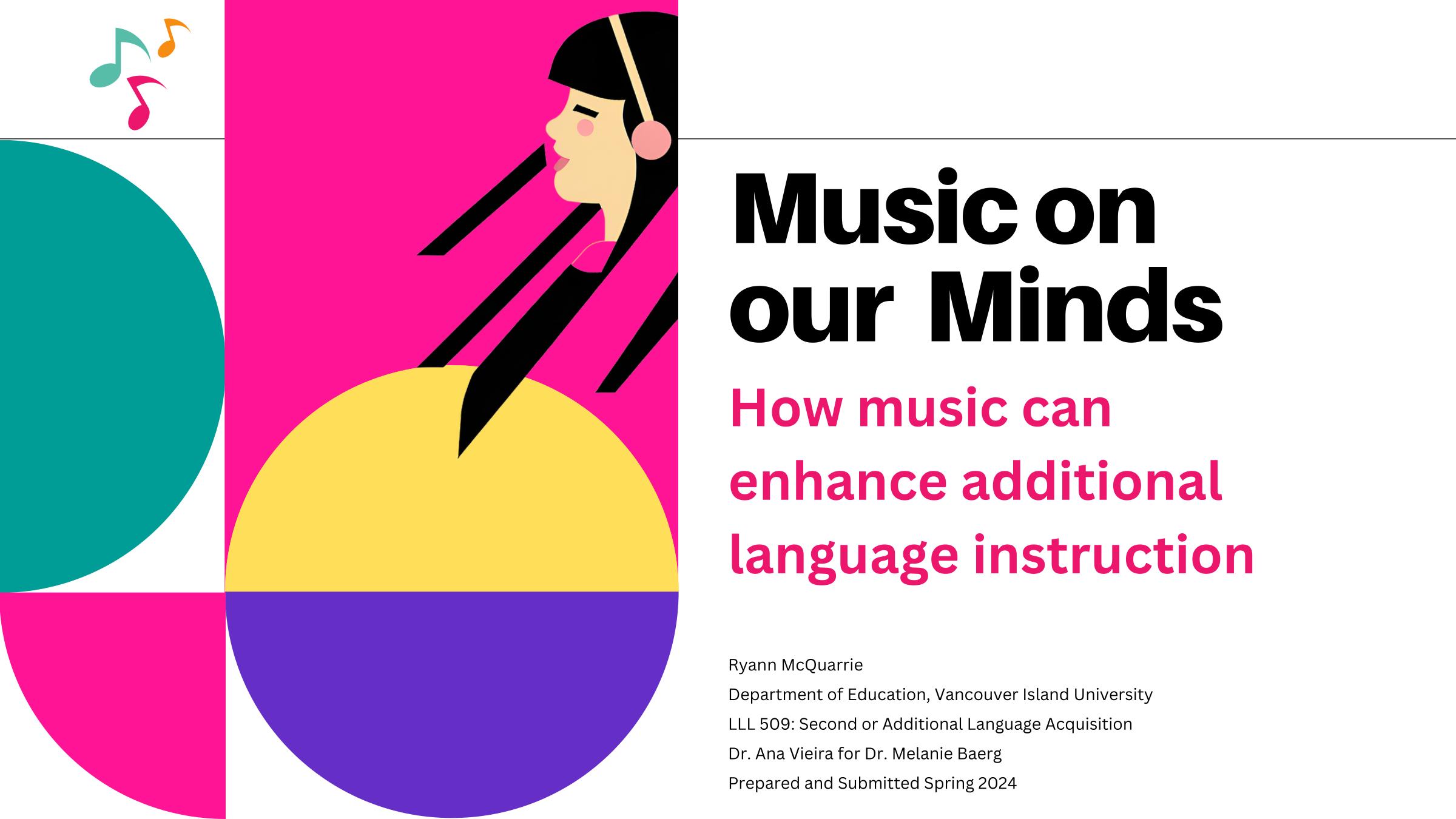
Case Study 04 · 2024
Music on Our Minds: Language Learning Through Music
Working in a French Immersion after-school program prompted a question at the intersection of two symbol systems: how might rhythm, pitch, melody, and song support phonological awareness, pronunciation, fluency, memory, and cultural understanding in an additional language?
Read case study →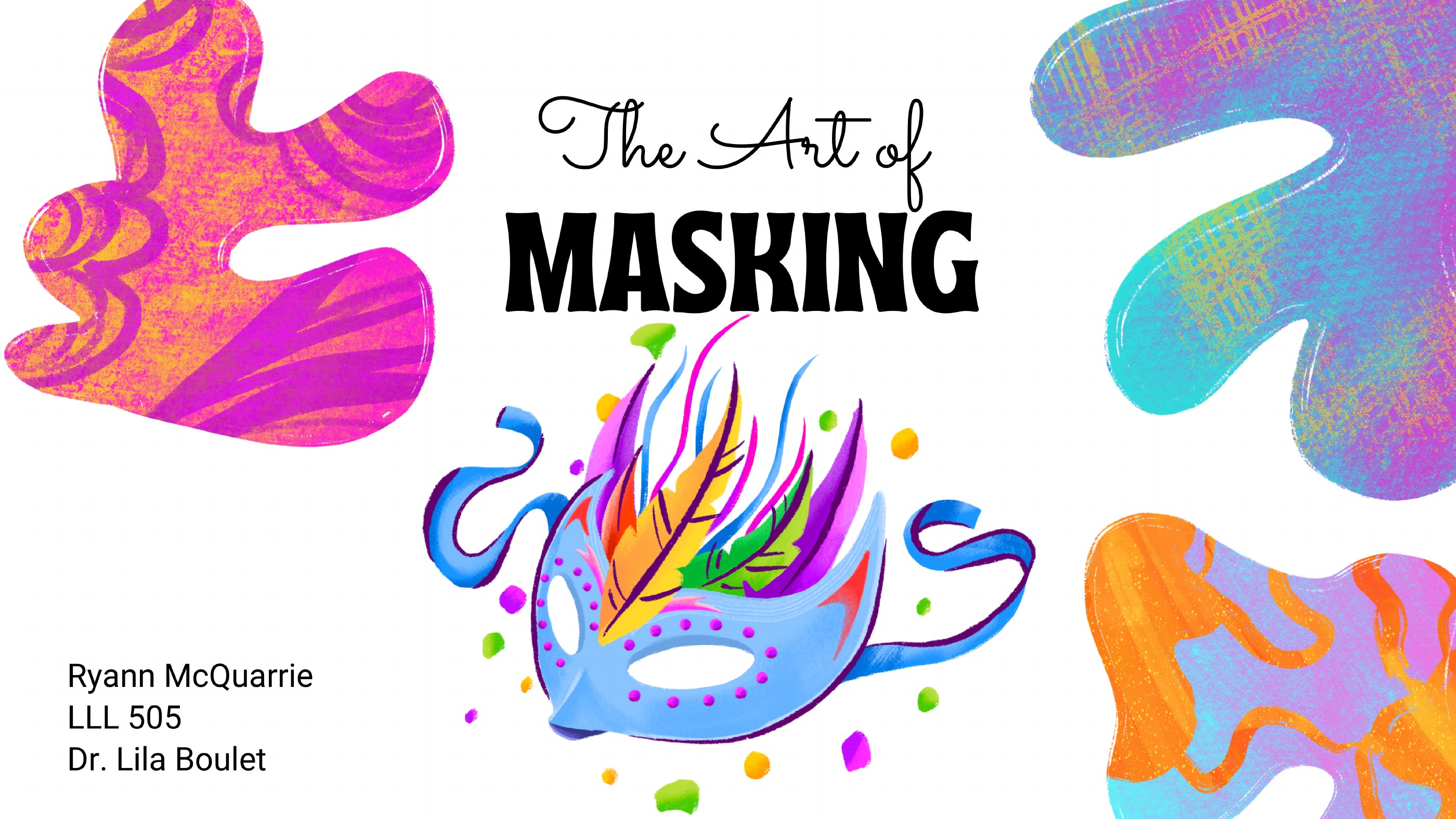
Case Study 05 · December 2023
Making Neurodivergent Masking Visible
Neurodivergent students may appear to be coping while expending significant effort to hide distress, suppress self-regulating behaviours, or meet social expectations. When that effort remains invisible, educators can miss both the student’s needs and the cost of apparent success.
Read case study →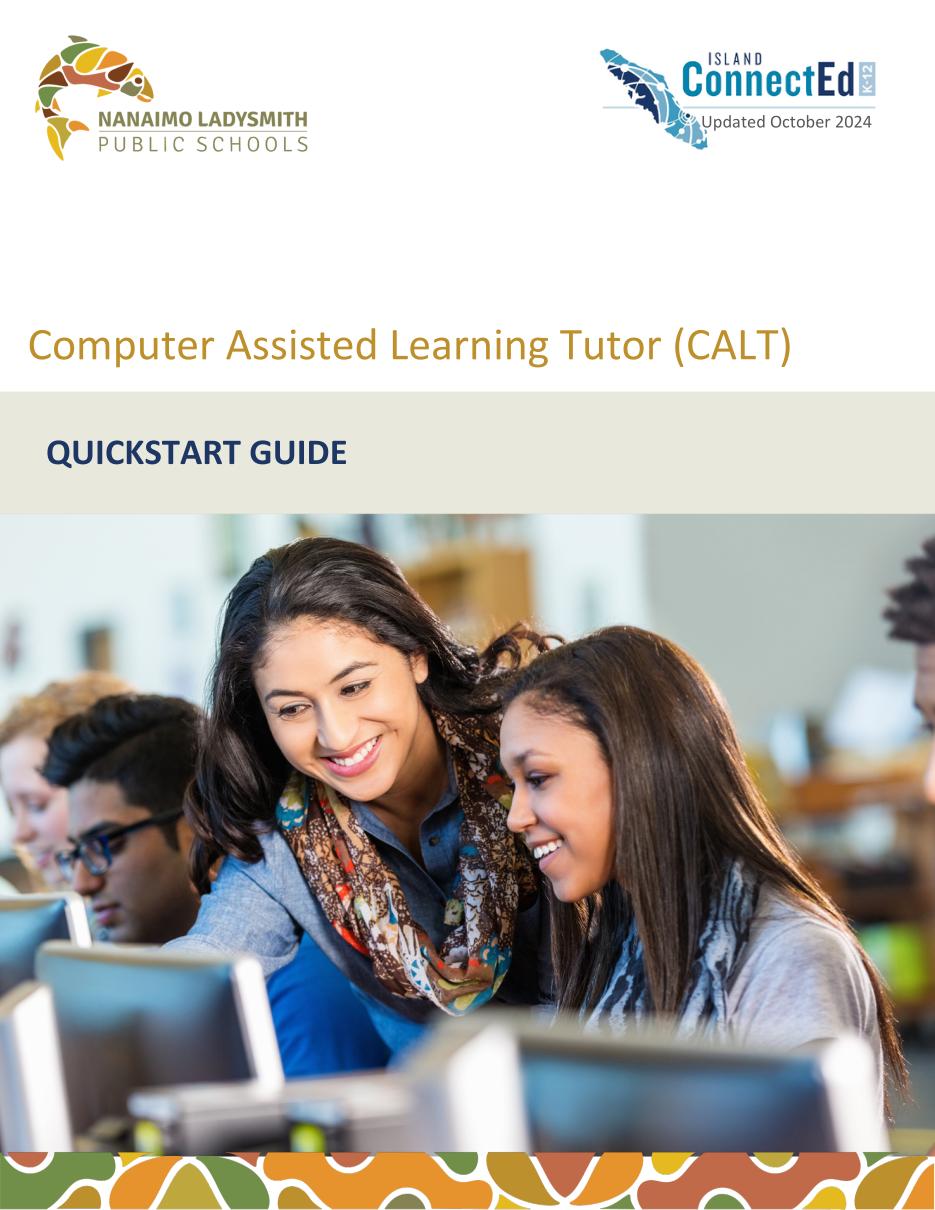
Case Study 06 · 2023–2024
Designing an Adaptable CALT Quickstart Guide
Casual and on-call Computer Assisted Learning Tutors step into a role that combines student support, attendance, registration, learning platforms, record-keeping, classroom routines, and coordination with teachers across multiple school sites. The information already existed across NLPS, Island ConnectEd, and CUPE materials; the design challenge was to make it easier to enter, navigate, maintain, and expand.
Read case study →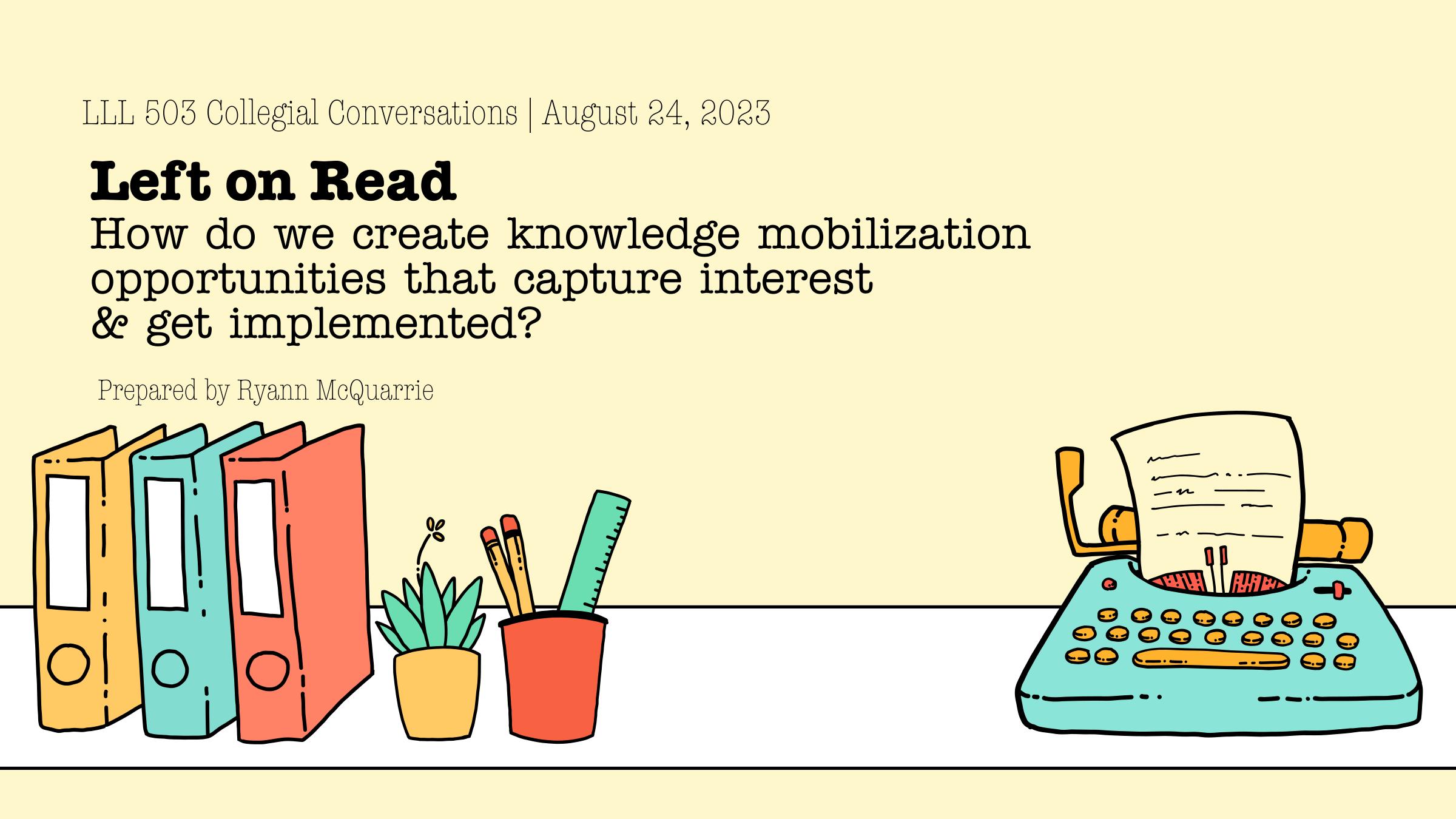
Case Study 07 · August 2023
Designing Professional Learning That Gets Implemented
Professional learning can be thoughtful, relevant, and well received—and still fail to change practice. This collegial-conversation project asked what helps new knowledge capture teachers’ interest, respond to their actual needs, and move from a presentation into sustained classroom implementation.
Read case study →